

Why $7,500 Is One of the Smartest Investments You Can Make
The Skill That Pays You Back in Months, Not Years.
Let’s put this into perspective.
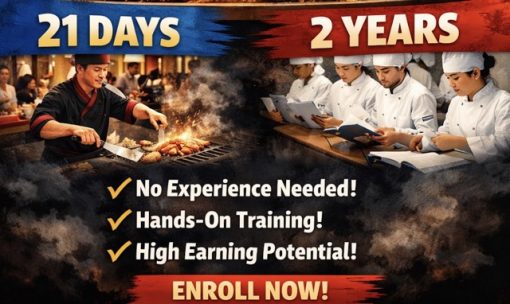
Most culinary schools will cost you $30,000 to $100,000 and take 2+ years of your life — only to graduate and start at the bottom, making $14–$18 an hour, working your way up slowly in the back of a kitchen.
Our program is different.
For $7,500, you’re not just learning how to cook.
You’re learning how to step into the arena.
In 21 days, you gain real, hands-on experience — butchering, knife skills, prep, sauces, grill control, and most importantly, how to command a table in front of live guests.
That’s a skill most chefs never learn.
And it’s the reason hibachi chefs don’t just earn wages — they earn tips, presence, and opportunity.
Most of our full-time chefs earn the cost of this program back in just 1–2 months.
Let that sink in.
So the real question isn’t:
“Can I afford $7,500?”
It’s:
“How long can I afford to stay where I am?”
Because this isn’t just about cooking.
It’s about confidence.
It’s about growth.
It’s about stepping into something bigger than yourself.
We’ve seen it — from first tables, to birthday celebrations, to full tables of eight.
The transformation is real.
And it starts the moment you decide to step forward.
$7,500 isn’t a cost.
It’s a shortcut to a skillset that can pay you for the rest of your life.
Days
Cost
Whats Included
Professional knife kit
Graduation Certificate
Sumo Hibachi Academy Chef Jacket
Lodging
Two Meals a Day
Career Placement Support
Is This Program the Right Fit for You?
The Sumo Chef Residency Program is not for everyone. We keep each session intentionally small — only 4 students per 21-day program. This isn’t about filling seats. It’s about developing chefs. Because of that, we’re selective.
Who This Program Is For?
This program is designed for individuals who are ready to step forward and commit to growth. You may be a great fit if you are:
• Looking for a real career path, not just a job
• Ready to learn quickly in a hands-on, fast-paced environment
• Open to coaching, feedback, and pushing past your comfort zone
• Willing to show up every day with focus, discipline, and effort
• Interested in developing confidence, presence, and performance skills
• Serious about becoming a hibachi chef and working in the industry
Whether you’re starting from zero or already have culinary experience — what matters most is your mindset and commitment.
Who This Program Is Not For?
This program may not be the right fit if you are:
• Looking for a casual or hobby-style cooking class
• Not ready to commit to a 21-day intensive experience
• Uncomfortable working in front of people
• Not open to feedback or structured training
• Unsure if you want to pursue this as a career
Why We Limit to 4 Students
With only 4 students per session, you receive: • Hands-on training every day • Direct, personalized instruction • Real experience behind the grill • Close mentorship from professional chefs This level of attention is what allows students to go from beginner… to confidently running a hibachi table.
Our Process
We take the time to make sure this is a mutual fit.
Talk with Instructor & Graduates
• Initial conversation
• Interview with instructors
• Opportunity to speak with a recent graduate
• Acceptance into the program
We’re not here to convince you.
We’re here to make sure this is the right path for you.
Final Thought
This program is about more than learning how to cook.
It’s about stepping into something bigger —
a skill, a career, and a new level of confidence.
If that resonates with you…
We’d love to start the conversation.
Sumo Chef Residency Program 21 Days $7,500
- 151 Clemson Road Columbia, SC 29229
Sumo Chef Residency

SUMO HIBACHI ACADEMY
21-Day Teppanyaki Chef Residency
Become a Hibachi Chef in 21 Days
Train. Perform. Launch Your Career.
Learn the craft of hibachi cooking inside a real Japanese steakhouse through an immersive 21-day chef residency designed to teach culinary skill, confidence, and live table performance.
At Sumo Hibachi Academy, residents train in a working restaurant environment where they learn how to prepare food, control the grill, engage guests, and perform the showmanship that makes hibachi one of the most exciting and in-demand careers in hospitality.
Week 1
Foundations of the Hibachi Chef Residents begin by learning the essential skills required behind the grill. Training includes: Knife skills: cutting, slicing, dicing, and food prep Kitchen organization and food safety Cooking fundamentals for steak, chicken, shrimp, vegetables, and fried rice Grill temperature control and timing Plating and presentation By the end of week one, residents understand the core workflow of a professional hibachi kitchen.
Week 2
Small Table Training Residents begin transitioning from preparation into live guest-facing training. Students start cooking in front of small parties of 4 guests or fewer while building confidence and control at the table. Training includes: Cooking while interacting with guests Table pacing and coordination Timing multiple food items on the grill Developing presence and confidence under pressure This is where cooking begins to become performance.
Week 3
Full Table Performance In the final week, residents train to operate a full hibachi table experience. Students cook in front of full tables of up to 10 guests and refine the timing, coordination, and showmanship required to run service from start to finish. Training includes: Full table execution Multi-protein grill coordination Guest engagement and hospitality Classic hibachi showmanship and tricks Creating a complete hibachi dining experience By graduation, residents are prepared to step behind the grill with real confidence and practical table experience.
Graduation
Upon successful completion of the residency, graduates receive certification recognizing their training and performance at the hibachi grill. Certified Teppanyaki Chef – Sumo Hibachi Academy This certification reflects successful completion of intensive training in: Teppanyaki cooking techniques Knife skills and food prep Grill timing and table coordination Guest interaction and table presence Full hibachi service execution Graduates leave with practical experience and a credential that reflects their residency training.
Sumo Chef Residency Program
- 151 Clemson Road Columbia, SC 29229
What Makes This Program Different
Most culinary schools cost far more and take years to complete.
The Sumo Hibachi Chef Residency is built as a focused path into a specialized career.
-
21-day intensive format
-
Hands-on hibachi grill training
-
Real restaurant environment
-
Small group and one-on-one instruction
-
Live guest-facing table experience
-
Confidence and performance development
This is not classroom-only theory.
This is real training in the actual pace and pressure of service.
Daily Training Schedule (Sample)
The residency follows a progressive training structure where new techniques are introduced daily and weekly. Instruction evolves as residents build skill and confidence, allowing the training experience to adapt to each chef’s development and ability.
1:00 PM – 2:00 PM
Meal & Daily Briefing
• Resident meal provided
• Review of daily training objectives
• Safety reminders and kitchen preparation
2:00 PM – 3:30 PM
Prep Training
• Vegetable preparation
• Protein trimming and portioning
• Sauce preparation (Teriyaki, Yum Yum, Ginger Dressing, Ginger Sauce)
3:30 PM – 5:00 PM
Cooking Fundamentals
• Grill temperature control
• Fried rice techniques
• Protein cooking practice (steak, chicken, seafood)
5:00 PM – 6:00 PM
Hibachi Showmanship Training
• Spatula handling and movements
• Beginner hibachi tricks
• Building confidence and table presence
• Learning how to carry a hibachi table
6:00 PM – 8:30 PM
Live Grill Training
• Cooking in front of practice tables
• Timing and coordination of multiple items
• Guest interaction practice
• Instructor feedback and correction
8:30 PM – 9:00 PM
Daily Review
• Skill feedback and coaching
• Questions and discussion
• Preparation for next training session
Teppanyaki Training Program (21 Days)
For those who want to enter the culinary world quickly and start earning right away, teppanyaki training offers a fast, practical path. In just 21 days, you learn the real skills needed to cook, perform, and command a hibachi table in front of live guests.
Pros
• Fast entry into the workforce – training completed in about 3 weeks
• Low cost compared to culinary school
• Hands-on training from day one – real kitchen and grill experience
• High earning potential – many hibachi chefs earn hourly wages plus tips
• Guest interaction skills – learn to command a table and engage customers
• Showmanship and presentation – cooking becomes both culinary and performance
• Practical skills taught – butchering, knife work, prep, plating, and grill timing
• Signature sauce recipes included – Yum Yum, Teriyaki, Ginger Sauce, Ginger Dressing
• Job-ready skillset immediately after training
• Opportunities nationwide – hibachi chefs are in high demand
Cons
• Specialized skillset focused primarily on teppanyaki cooking
• Less exposure to classical French or international culinary techniques
• Training is intensive and fast-paced
• Focus is primarily on restaurant and live cooking environments rather than broader culinary arts
Cost: $7,500
Includes Room, Board, Chef Kit and Training to Launch a Career as Hibachi Chef
Call or Text to Get Start: 610-925-8329
Traditional Culinary School (2+ Years)
Culinary school is the traditional academic route into the culinary profession, focusing on theory, technique, and a broad range of cooking styles. Students spend years studying the craft before entering the workforce.
Pros
• Broad culinary education covering many cuisines and cooking styles
• Formal instruction in culinary theory, food science, and kitchen management
• Exposure to classical cooking techniques and professional kitchen structure
• Networking opportunities with chefs, instructors, and hospitality programs
• Often includes courses in baking, pastry, and advanced culinary disciplines
• Some programs offer recognized certifications or degrees
Cons
• High tuition costs (often tens of thousands of dollars)
• Longer timeline before entering the workforce full-time
• Many graduates still start at entry-level prep or line cook positions
• Limited guest interaction training or front-of-house experience
• Less focus on live cooking performance and presentation
• Students may accumulate debt before earning income in the industry
Cost: $30,000 - $100,000
Sumo Chef Residency Program 21 Days $7,500
- 151 Clemson Road Columbia, SC 29229
The Four Foundations of a Hibachi Chef: Vegetables, Proteins, Sauces & Showmanship
Fresh Vegetables
Residents learn how to properly prepare vegetables for hibachi cooking by washing, trimming, and cutting fresh ingredients into uniform sizes. Proper preparation ensures vegetables cook evenly on the hibachi grill and maintain their flavor and texture. Training emphasizes knife safety, efficient prep techniques, and consistent portioning before vegetables ever reach the grill.
Prime Meat & Quality Seafood
During the residency, students practice preparing premium proteins such as steak, chicken, shrimp, and fish for hibachi cooking. Training includes trimming, portioning, seasoning, and coordinating multiple proteins on the grill. Residents develop the skills needed to cook each item evenly while maintaining the pace and presentation expected in hibachi dining.
Fried Rice & Special Sauce
Residents learn how to prepare and use essential hibachi sauces, including Teriyaki Sauce, Yum Yum Sauce, Ginger Dressing, and Ginger Sauce. Training includes step-by-step instruction on how to make each sauce from scratch, understand its flavor profile, and apply it properly to complement proteins, vegetables, and fried rice during hibachi service.
Magic
In addition to cooking techniques, residents are trained in the fundamentals of hibachi showmanship. This includes learning a few classic tricks, building confidence at the grill, and developing strong table presence. Residents practice how to manage guest interaction, maintain the pace of the table, and create an enjoyable dining experience while cooking over the live hibachi grill.

Certified Teppanyaki Chef
Sumo Hibachi Academy
This certification reflects successful completion of intensive training in:
-
Teppanyaki cooking techniques
-
Knife skills and food prep
-
Grill timing and table coordination
-
Guest interaction and table presence
-
Full hibachi service execution
Graduates leave with practical experience and a credential that reflects their residency training.
Ali 21 Day Journey
Learn About Ali 21 Day Journey of becoming an Hibachi Chef
One of our first Graduates. Learn about Ali's journey into become an Hibachi Chef.
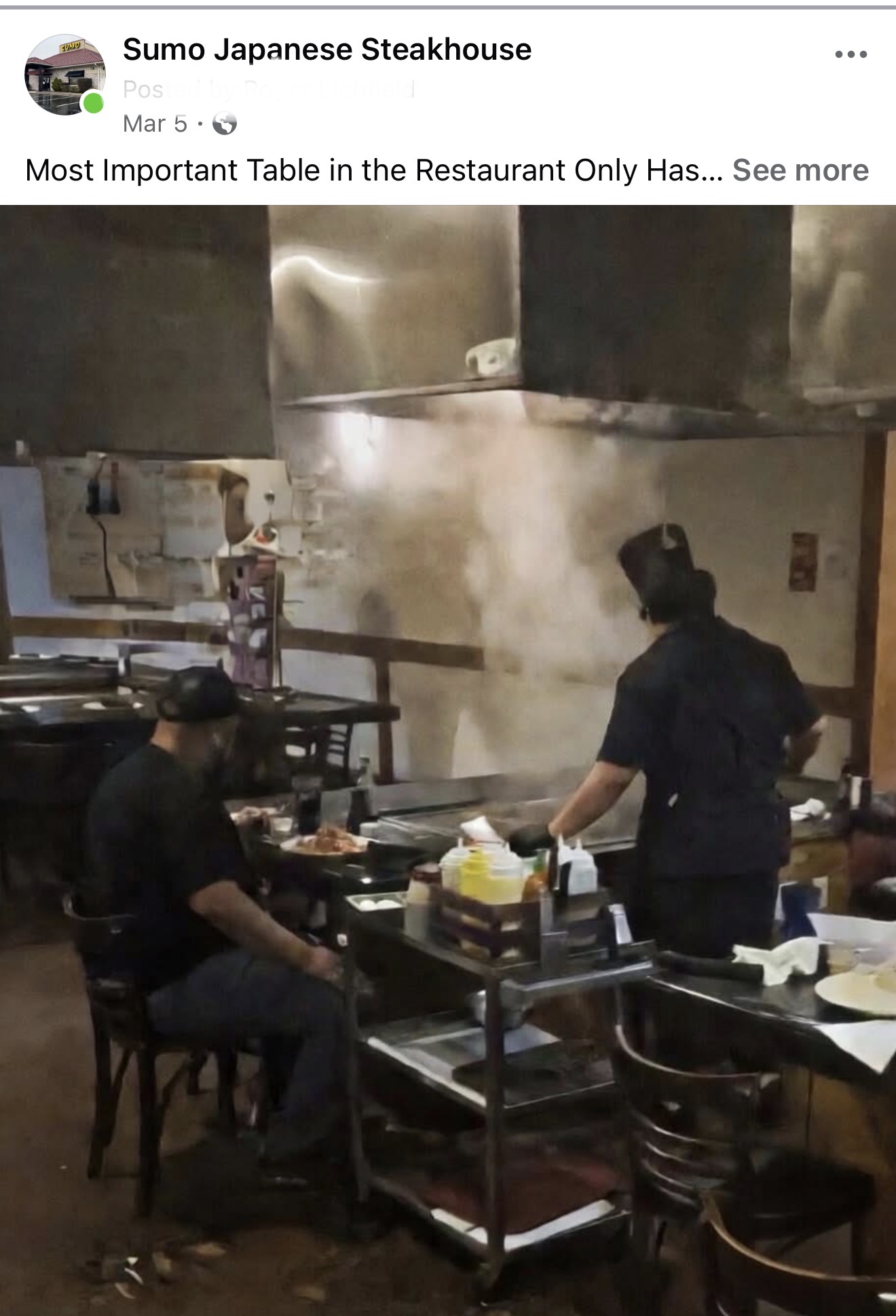
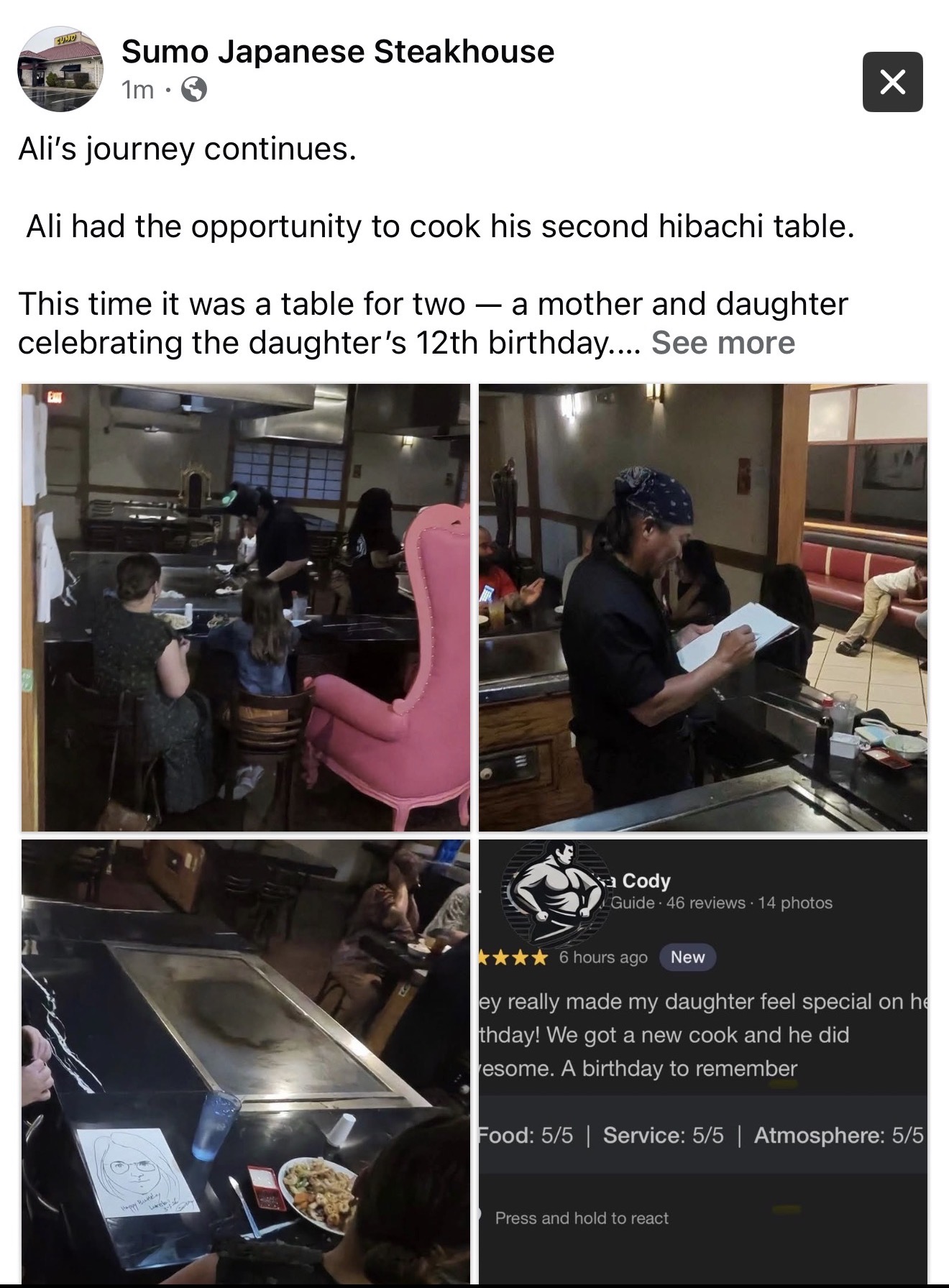
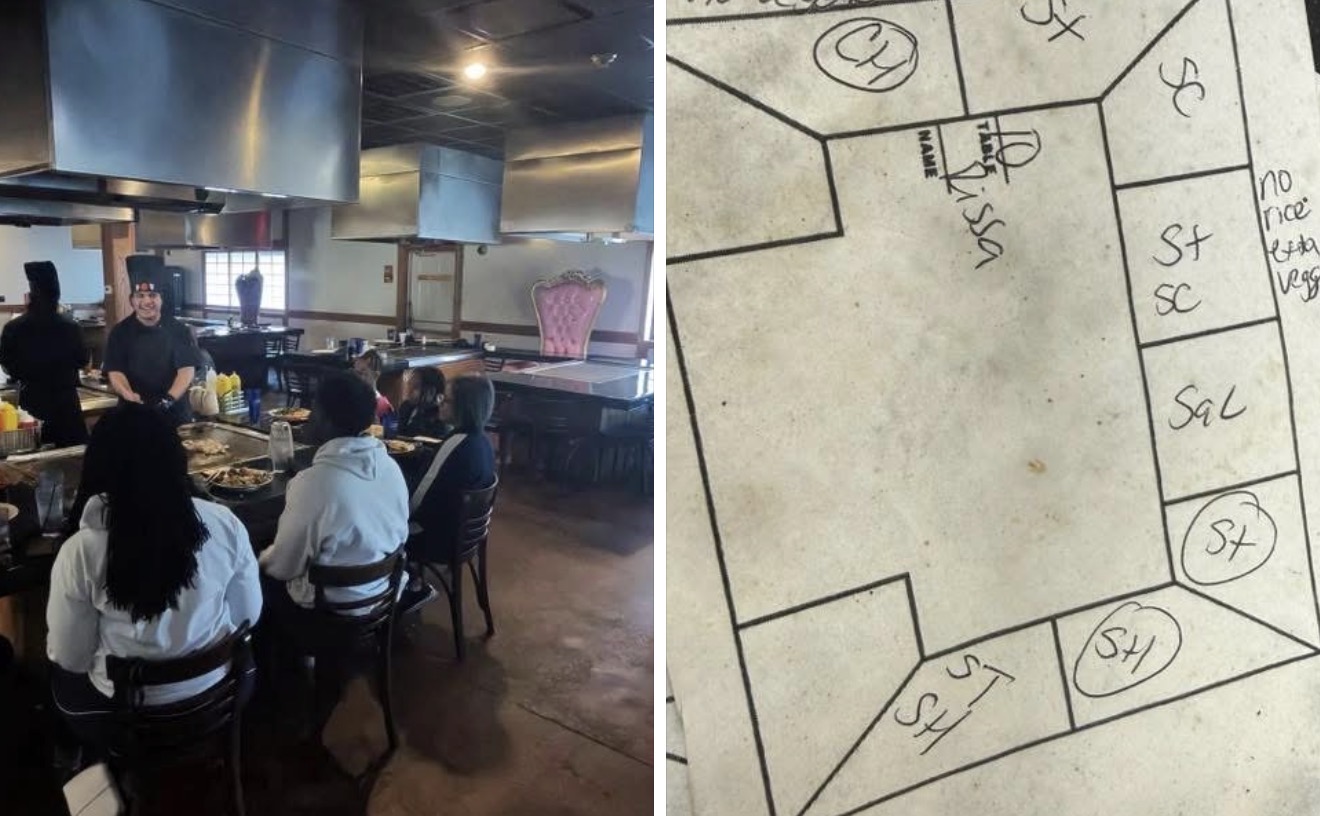
Sumo Chef Residency Program — Learning the Craft At the Sumo Chef Residency Program, mastery doesn’t happen on day one. Every chef starts by learning the fundamentals and building confidence step by step. Residents begin with the basics — vegetables, proteins, sauces, heat control, and kitchen rhythm. As skills grow, chefs gradually learn the tricks, timing, and table presence that make hibachi cooking both a craft and a performance. No one should feel intimidated. The techniques that experienced chefs make look effortless were all learned through practice and repetition. Each week builds on the last. With time, patience, and hands-on experience, what once felt difficult becomes natural. The goal is simple: steady progress, growing confidence, and developing the presence of a professional chef behind the grill.
Sumo Chef Residency Program 21 Days $7,500
- 151 Clemson Road Columbia, SC 29229
Learn the Prep, Then Bring It to Life on the Grill
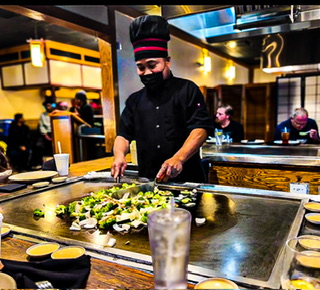
Fresh vegetables sizzle on a hot hibachi grill as the chef practices controlled cutting, flipping, and dicing techniques. The high heat of the teppanyaki surface allows vegetables to cook quickly while maintaining flavor and texture. During training, chefs learn to manage the grill temperature, coordinate knife work, and safely perform movements that create both an excellent meal and an engaging guest experience.
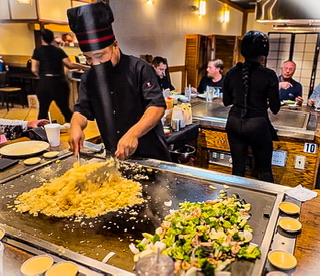
Steaming fried rice cooks on the hibachi grill as the chef practices controlled tossing, chopping, and seasoning techniques. Residents learn how to distribute rice evenly across the hot teppanyaki surface while incorporating ingredients such as eggs, vegetables, soy sauce, and sesame oil. The goal is to maintain proper heat control, timing, and flavor balance while cooking efficiently in front of guests.
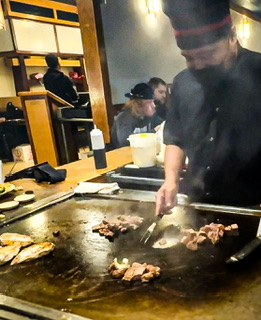
Steak and chicken are placed on the hot hibachi grill where residents practice proper searing techniques, timing, and portion control. Chefs learn to manage grill heat, coordinate multiple proteins, and maintain even cooking while working efficiently on the teppanyaki surface. The objective is to produce consistent flavor, proper doneness, and smooth grill workflow during hibachi table service.
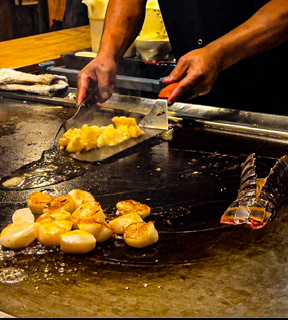
Seafood such as shrimp and scallops is grilled on the hibachi surface while residents practice proper seasoning, turning, and timing techniques. Training focuses on managing grill heat, preventing overcooking, and coordinating seafood with other proteins while maintaining consistent flavor and presentation during hibachi table service.
Join Sumo Chef Residency
Who This Residency Is For
This program is ideal for:
-
Aspiring chefs entering the restaurant industry
-
Cooks wanting to become hibachi chefs
-
Individuals seeking a specialized, high-earning hospitality skill
-
People who enjoy cooking, performance, and guest interaction
No prior hibachi experience is required.
Limited Spot Available. Join Us.
Call: 610-925-8329 or email: roger@japanesesteak.house
Hibachi cooking blends culinary skill with live performance. Chefs learn to command the table with confidence, presentation, and guest interaction—creating an experience that technology cannot replace. For those who love cooking and connecting with people, hibachi is one of the most unique and rewarding paths in the restaurant industry.

Career Placement Support
Graduates of the program receive career placement assistance through our professional network.
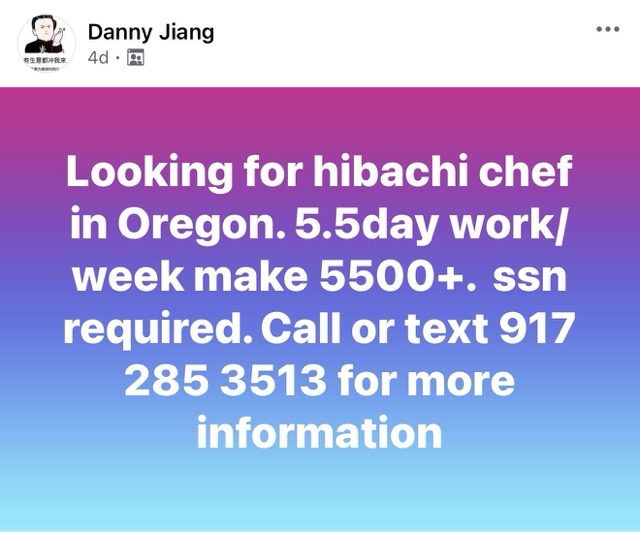
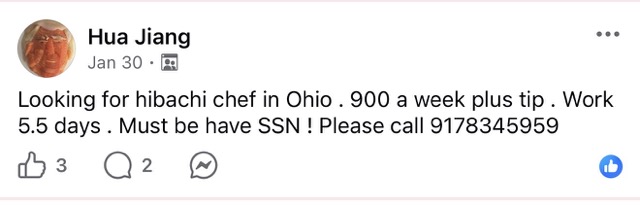
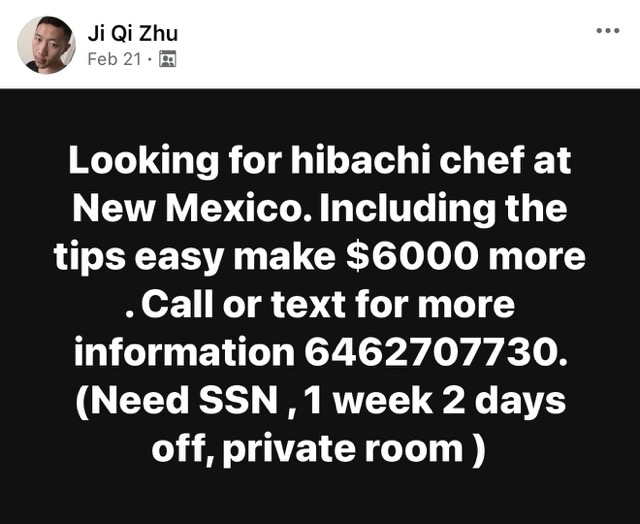
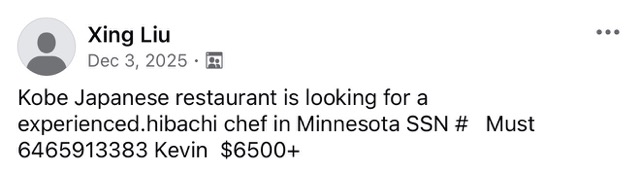
Because trained hibachi chefs are often in short supply, restaurants frequently seek candidates who already understand the fundamentals of teppanyaki cooking, guest interaction, and hibachi table performance.
Graduates may receive:
-
Introductions to restaurants seeking hibachi chefs
-
Guidance preparing for interviews
-
Referrals through our restaurant network
While employment cannot be guaranteed, our goal is to prepare every graduate with the skills, confidence, and industry connections needed to pursue hibachi chef opportunities nationwide.
Sumo Chef Residency Program 21 Days $7,500
- 151 Clemson Road Columbia, SC 29229
Limited Spot Available. Join Us.
Call: 610-925-8329 or email: roger@japanesesteak.house